

Key Takeaways A successful aesthetic clinic Google Ads Singapore programme is built around relevance, trust, measurement, and steady refinement rather than clicks alone. Match each campaign to a specific treatment and search intent. Treat calls, WhatsApp inquiries, consultations, and treatment revenue as separate stages. Use clear, compliant ads and landing pages that help prospective patients […]
A successful aesthetic clinic Google Ads Singapore programme is built around relevance, trust, measurement, and steady refinement rather than clicks alone.
Google Ads places a clinic in front of people who are actively searching for information, providers, or appointments. That makes it useful for capturing existing demand, but it does not remove the need for credible messaging and a sensible consultation process. The strongest accounts connect the advert, landing page, enquiry handling, and treatment outcome rather than judging success at the click stage.
A search for “acne scar treatment Singapore” is different from “laser clinic near me” or “Botox consultation Orchard.” The first may indicate research, the second may show local discovery, and the third may signal readiness to contact a clinic. Campaigns should reflect those differences instead of placing every treatment and query into one broad advertising group.
Treatment language also carries different expectations. A person searching for a consultation may want reassurance and suitability guidance, while someone searching for a price may be comparing options. Ads can acknowledge the need without promising a particular result, and landing pages can answer practical questions before asking for contact details.
Singapore searches are often location-sensitive, especially when a patient wants a convenient appointment after work or near home. Location settings, clinic address details, mobile-friendly pages, and accurate opening hours all help reduce friction. A call asset or prominent contact option may matter more than a long form for a person searching from a phone.
Urgency should not be confused with suitability. Someone looking for a same-week appointment still needs clear information about consultation, assessment, recovery, and next steps. Fast response times help, but the clinic should avoid language that pressures people into treatment.
Healthcare and cosmetic advertising requires careful review of claims, images, targeting, and landing-page content. Avoid guarantees, exaggerated transformation language, unsupported medical claims, and wording that exploits personal insecurities. Before launch, review the current platform rules and local professional requirements, then make sure the advert and its destination page tell the same, supportable story.
A practical approval process can include checking every headline, description, extension, image, and form question. Claims about outcomes should be especially conservative. Clear qualifications, treatment limitations, and consultation language usually create a more credible experience as well as reducing policy risk.
Paid search is most useful when the clinic wants immediate visibility for searches that already show treatment or appointment intent. Organic marketing remains valuable for education, reputation, and longer-term discovery, but it generally takes time to build coverage and authority. A sensible plan often uses paid search to test demand while Singapore aesthetic clinic marketing supports broader brand, website, SEO, and social activity.
Paid traffic cannot compensate for a confusing website, poor follow-up, or weak patient experience. It works best when the clinic knows which treatments it can support, which locations it serves, and what a qualified enquiry looks like.
Before choosing keywords, decide what the campaign must produce for the clinic. “More leads” is too vague if some enquiries never answer a call, do not fit the treatment, or have no realistic appointment intent. A defined audience and a ranked treatment list make budget decisions clearer and give the account enough structure to learn.

Different contact methods reveal different levels of intent. A form may be convenient for a detailed enquiry, while a phone call may be preferable for appointment availability and a WhatsApp message may suit a patient who wants a quick response. Track each action separately rather than treating every click on a contact button as an equivalent conversion.
The final goal is usually a completed consultation or an appropriate treatment, not simply a submitted form. Ask the clinic how its front desk records source, treatment interest, appointment status, and outcome. That information becomes the bridge between advertising data and actual commercial decisions.
Useful segments may include treatment type, service area, device, search intent, and whether the visitor has already engaged with the clinic. Keep the structure practical: a small clinic does not need dozens of campaigns that each receive too little data. Start with distinctions that change the advert, budget, landing page, or follow-up process.
Location targeting also needs scrutiny. A clinic serving central Singapore may receive searches from across the island, while a highly local service may need tighter geographic settings. Review where enquiries originate and whether those people can realistically attend.
The most searched treatment is not automatically the best use of spend. Consider margin, appointment capacity, repeat potential, clinician availability, consultation-to-treatment rate, and the quality of existing demand. A treatment with fewer enquiries may produce better economics if the enquiries are well matched and the clinic can serve them promptly.
A broader aesthetic clinic growth strategy can help place Google Ads alongside SEO, Meta Ads, website improvements, consultation processes, and retention. Paid search should have a clear role in that connected journey, rather than carrying every marketing objective by itself.
Targets should come from the clinic’s numbers. Work backwards from average treatment value, gross margin, consultation attendance, treatment conversion rate, and the maximum acceptable acquisition cost. Early targets are working assumptions, not promises; they should be revised as the account gathers reliable conversion and sales data.
For example, a low cost per lead may look attractive until the clinic finds that most leads are outside its service area or unsuitable for the procedure. Lead quality matters more than volume when budgets are limited, so reporting should show both efficiency and downstream value.
Campaign structure determines how clearly the account can respond to different searches and how easily the team can identify problems. Separate what needs different budgets, messages, locations, or conversion goals. Keep naming and tracking consistent so that monthly reporting remains understandable to the clinic owner and the people handling enquiries.
Create a clear relationship between a treatment campaign, its keyword themes, its advert copy, and its landing page. High-intent appointment searches can be separated from broader information searches when the expected action and budget are different. This helps prevent an expensive clinical service from being judged alongside a low-intent educational query.
Do not split campaigns merely for appearance. Each campaign needs enough activity to produce useful evidence. If the clinic has limited demand, begin with the treatments most closely linked to revenue and expand once tracking and enquiry handling are sound.
Match types should be chosen with both control and discovery in mind. More controlled targeting can protect a small budget, while broader discovery may reveal useful wording that the clinic did not anticipate. Search-term reviews are essential in either case because the keyword you select is not always the exact query that receives an impression.
Negative keywords help filter irrelevant themes such as training, employment, do-it-yourself requests, unrelated products, or searches outside the clinic’s scope. Build them from actual search terms, not assumptions alone. Recheck exclusions when new treatments or services are added.
Good copy is direct about the treatment, location, consultation, and next step. It should set an accurate expectation rather than rely on dramatic claims or personal-attribute language. Mentioning a clinic’s real differentiators is useful only when the information is supportable and visible on the landing page.
A description can answer a simple question: what is offered, who is it for in general terms, and how can a visitor enquire? Avoid implying that every person will achieve the same outcome. Clear copy may attract fewer casual clicks, but those clicks are more likely to fit the clinic’s process.
Adjust targeting according to evidence. Mobile users may need shorter forms and prominent call or WhatsApp options, while desktop visitors may spend longer comparing treatment information. Schedule adjustments should reflect when the clinic can answer enquiries, not only when search volume is highest.
Audience signals and observation settings can add context, but they should not replace search-intent analysis. Review performance by location, device, hour, and audience over a meaningful period before making large changes. Small accounts can be distorted by a handful of enquiries, so avoid reacting to every daily fluctuation.
A landing page should continue the conversation started by the advert. It needs enough information for a prospective patient to understand the service, decide whether to enquire, and know what happens next. A visually polished page is helpful, but clarity, speed, mobile usability, and credible detail do more of the conversion work.
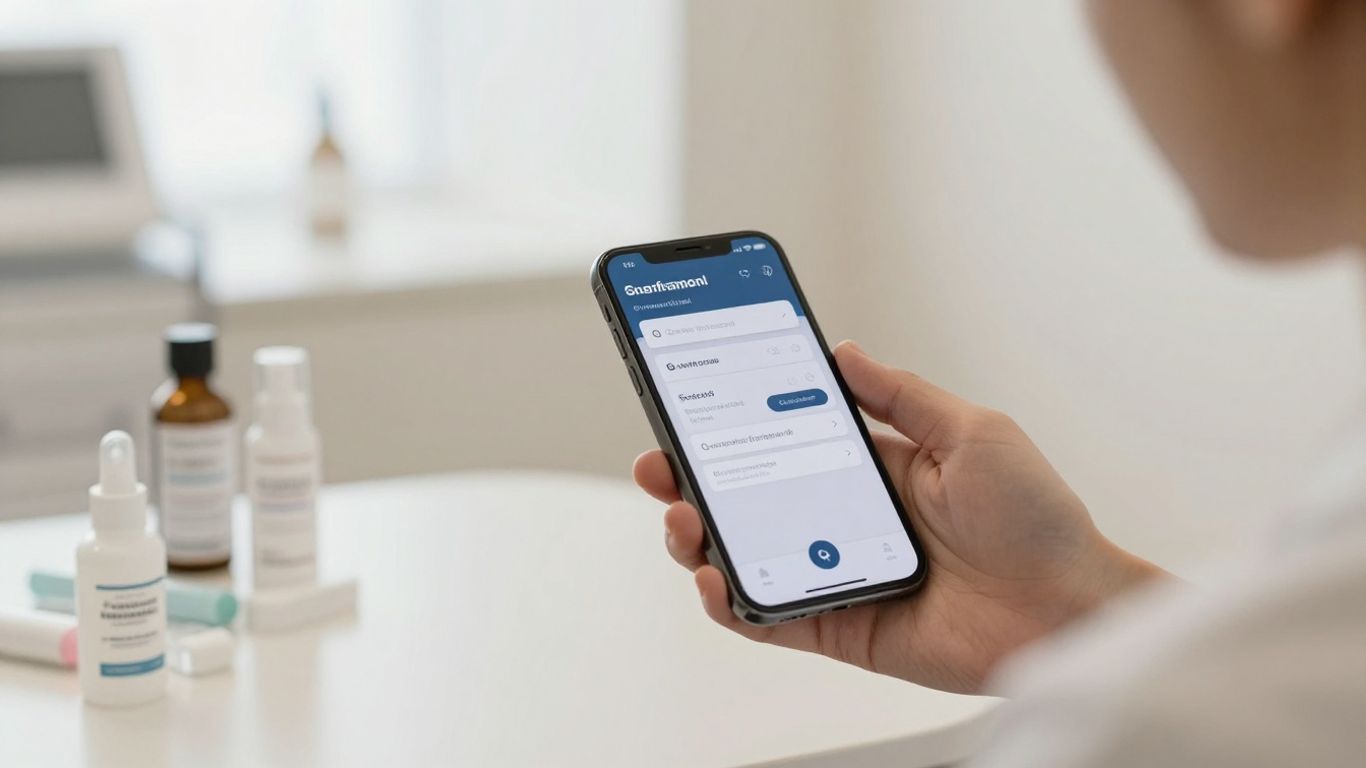
Send a search for a specific treatment to a page that discusses that treatment, rather than to a generic homepage. The headline, supporting copy, imagery, and enquiry form should make the match obvious within seconds. If several treatments are closely related, explain the distinction instead of forcing the visitor to guess.
This approach also makes performance easier to diagnose. A weak result may come from the keyword, the advert, the page, or the clinic’s follow-up. When each campaign has a sensible destination, those possibilities are easier to separate.
People often want to know whether a treatment is suitable, what a consultation involves, what affects price, and what recovery may look like. Provide accurate, appropriately qualified information about these points. Credentials and practitioner details should be genuine, current, and easy to find.
Outcomes need careful wording. Use realistic explanations and avoid presenting selected before-and-after examples as typical results. If pricing varies after assessment, say so plainly and explain what determines the final recommendation.
A form should ask only for information needed to respond appropriately. Treatment interest, preferred contact method, and availability may be useful; a long questionnaire can discourage mobile users. Pair the form with a visible phone option and, where suitable for the clinic’s workflow, a WhatsApp contact route.
Make the next step explicit. Tell visitors when the clinic is likely to respond, whether a consultation is required, and whether submitting the form commits them to anything. Confirmation messages should be tracked and should guide the person towards a practical next action.
Trust is built through specific, verifiable details: a complete clinic address, contact information, practitioner credentials, treatment explanations, and a consistent patient experience. Reviews can help when they are genuine and presented without selective or misleading framing. Local proof should make the clinic feel real and accessible, not simply repeat a neighbourhood name.
A useful medical clinic digital marketing guide can prompt a review of branding, audience definition, website content, SEO, paid advertising, and medical information. Apply those ideas selectively to the clinic’s actual services and compliance requirements.
Singapore’s search market can be competitive, particularly for treatments with strong commercial intent. There is no universal price for a keyword or lead, and estimates can shift with competition, quality, seasonality, targeting, and conversion rates. Budgeting should therefore begin with a testable commercial plan rather than a promise of a fixed number of enquiries.
Use historical account data where available, then compare expected click volume with the clinic’s conversion and capacity assumptions. A small budget spread across too many treatments may create insufficient data, while an overly narrow plan can miss valuable demand. Forecasts are directional and should be labelled as such.
Track the difference between media spend and total acquisition cost. Staff time, call handling, landing-page work, and follow-up all affect whether a campaign is commercially worthwhile, even though they do not appear as keyword costs.
Manual controls may be useful when the account is new, conversion data is limited, or the team needs to understand traffic quality closely. Automated bidding can become more useful when conversion tracking is reliable and there is enough consistent data for the system to learn from. Neither approach repairs inaccurate goals.
Start with the business outcome the bidding strategy is meant to support. If the account optimizes for low-value button clicks, automation may improve that metric while leaving the clinic disappointed. Review settings whenever the definition of a qualified enquiry changes.
Reserve more budget for treatments with proven demand, acceptable economics, and sufficient appointment capacity. A smaller exploratory allocation can test new services, while branded or returning-user activity may need separate oversight. Keep prospecting and remarketing decisions distinct so that one does not hide the performance of the other.
A budget review can be simple but disciplined. Ask which campaigns generated qualified enquiries, which produced attended consultations, and which had room to grow without damaging service quality. Increase spend gradually when the clinic can respond and the downstream numbers support it.
Waste often comes from broad queries, poorly matched locations, accidental duplicate coverage, weak negative keywords, or ads running when no one can respond. Search-term analysis and conversion-quality reviews should be routine. Also check the mobile experience, because a technically working form may still be difficult to complete.
The clinic’s broader digital marketing services may include website development, SEO, SEM, and social media management. Those channels should be coordinated so that paid search is not paying repeatedly for problems that belong to the website or enquiry process.
Reporting should explain what happened and what to do next. Clicks, impressions, and click-through rate help diagnose delivery, but they do not show whether a patient was suitable, contacted, booked, or treated. The further the data travels into the clinic’s process, the more useful the budget decisions become.
Set up separate conversion actions for calls, completed forms, WhatsApp inquiries, appointment requests, and confirmed bookings. Define meaningful thresholds where relevant, such as a call lasting long enough to indicate a real conversation. Confirm that tracking works across mobile and desktop journeys before relying on the data.
Keep a record of source and treatment interest in the clinic’s own system. This protects continuity when a patient changes contact method, for example from a form to a phone call. It also prevents duplicate counting when several actions belong to one enquiry.
The clinic should pass useful status information back into reporting where practical: contacted, qualified, booked, attended, treated, or closed. Privacy and consent requirements must be respected, and only appropriate information should be shared. Even a well-maintained spreadsheet can help connect advertising activity to front-desk outcomes when systems are not integrated.
This is where a qualified patient acquisition framework is valuable as a planning idea: discovery, research, trust, consultation, treatment, and review are connected stages. The exact implementation depends on the clinic’s systems, but the principle is consistent—measure the journey, not only the first response.
Cost per qualified lead shows whether the campaign attracts people who fit the treatment and service area. Cost per acquisition goes further by including the people who actually become customers. Compare both with margin, capacity, repeat value, and treatment mix rather than using one headline number for every campaign.
Some procedures have a longer decision cycle than others. A month with fewer immediate bookings may still contain valuable consultations that convert later. Use sensible attribution windows and avoid making claims from incomplete data.
Look for patterns rather than isolated weak days. A keyword may receive clicks but no meaningful enquiries; an advert may have a good click-through rate but attract poor-fit traffic; a landing page may receive qualified visitors but lose them before contact. Each problem calls for a different response.
Document changes and allow enough time for comparison. Pause or revise clear sources of waste, but do not rebuild the whole account after every short-term fluctuation. Transparent reporting should show the evidence behind each recommendation.
Optimization is a cycle of observation, prioritization, testing, and learning. It should improve the patient journey as well as the account metrics. A small number of well-chosen changes is usually easier to evaluate than constant edits across every campaign.
Test one meaningful variable at a time where possible: a treatment-focused headline, a different call to action, a shorter form, or clearer consultation information. Keep the audience, budget, and measurement stable enough to make the comparison useful. Record the hypothesis before the test begins.
Do not judge every test solely by the cheapest lead. Check qualified rate, booked consultations, attendance, and treatment outcomes when the data is available. A modest increase in lead cost may be worthwhile if it improves the quality of the pipeline.
Search-term reports reveal the language people actually use and the queries that consume spend without fitting the clinic. Add useful themes to relevant campaigns, improve ad wording when the same intent appears repeatedly, and exclude clear irrelevance. Review spelling variations and local phrasing as well.
Interpretation matters. A term that looks broad may produce excellent enquiries, while a seemingly precise term may bring poor fits. Let the clinic’s qualification and booking records guide decisions rather than relying on keyword labels alone.
Remarketing can remind previous website visitors to return for information or contact the clinic, but healthcare and cosmetic audiences require particular care. Avoid implying knowledge of a person’s medical condition, insecurity, or treatment history. Use compliant audience settings, restrained creative, and useful content rather than pressure.
A returning visitor may simply need clearer pricing guidance, practitioner information, or an explanation of the consultation process. Remarketing should support that decision process and respect the user’s privacy. Always check current platform rules before activating a new audience or message.
Expansion makes sense when the current campaigns are measurable, the clinic can handle additional demand, and the existing treatment mix has been reviewed. Add one treatment or location at a time where possible, with its own keyword logic, page, budget, and qualification criteria. This keeps learning visible.
A clinic may also choose to broaden beyond paid search through integrated patient marketing, but new channels should have a defined role and measurement plan. Growth is healthier when operational capacity, patient experience, and advertising maturity develop together.
Aesthetic clinic Google Ads Singapore campaigns perform best when they are treated as an end-to-end acquisition system: the search intent informs the advert, the advert matches a useful landing page, and the enquiry is followed through to a real consultation outcome. Start with a focused treatment plan, set honest targets, track quality, and improve the parts of the journey that the data identifies. That practical discipline creates a stronger basis for sustainable growth than chasing clicks or short-term volume.
There is no reliable universal figure. Start with the clinic’s capacity, target treatments, expected conversion rate, acceptable acquisition cost, and the amount of data needed to make decisions, then adjust based on qualified outcomes.
Begin with treatments that have clear search demand, suitable margins, available appointment capacity, and a consultation process the clinic can support. Prioritize commercial fit over popularity alone.
A treatment-specific landing page is usually easier to align with the search and advert. A homepage can work for branded searches, but it may create unnecessary navigation for someone looking for one particular service.
Neither is always better. Calls can suit urgent or detailed questions, while forms may be easier to process and measure. Offer appropriate options and compare them by qualified enquiries and booked consultations.
Initial traffic can arrive quickly, but dependable conclusions usually require enough time and conversion volume to account for enquiry delays, appointment attendance, and treatment decisions. Early performance should be treated as directional.
Use accurate, supportable information and avoid guarantees, exaggerated outcomes, exploitative personal-attribute language, and misleading imagery. Review both the advert and landing page against current platform and local requirements.
Review search terms, negative keywords, locations, devices, schedules, landing-page behaviour, and lead quality regularly. Remove clear irrelevance, then reinvest gradually in campaigns that produce suitable consultations and treatments.
Singapore SMEs & clinics
Talk to Adrian, the founder. Tell us your goals and budget. We will tell you straight what we would do first, and what we would not spend money on. See a real result: 2.8× more enquiries for a Singapore clinic →


