

Key Takeaways Choosing a website agency Singapore businesses can trust starts with a clear brief, not a flashy portfolio. The right partner should understand your commercial goals, explain its process plainly, and leave you with a website that can be measured and improved. Define the audience, business objectives, and essential website functions before requesting proposals. […]
Choosing a website agency Singapore businesses can trust starts with a clear brief, not a flashy portfolio. The right partner should understand your commercial goals, explain its process plainly, and leave you with a website that can be measured and improved.
A website should have a job beyond looking polished. It may need to generate enquiries, support event registrations, explain a specialist service, sell products, or help an existing sales team qualify prospects. Before speaking with agencies, write down what success should look like and who the website must serve.
The clearer the brief, the easier it becomes to compare proposals fairly. It also prevents a project from drifting toward attractive but unnecessary features.
Start with the people you want to reach and the action you want them to take. A medical practice may need appointment enquiries, while an engineering supplier may need technically detailed product conversations; both require different page structures and calls to action. Describe your audience’s concerns, buying process, location, and level of familiarity with your service.
Set a small group of practical objectives, such as qualified leads, registrations, phone calls, online purchases, or downloads. These objectives will later shape navigation, copy, forms, analytics, and the way the agency evaluates the finished website.
List the functions that support the intended customer journey rather than copying a feature list from another business. Consider forms, booking tools, search, account areas, payment processing, product catalogues, event registration, multilingual content, calculators, or connections to your existing systems.
Ask how each proposed feature will be used, maintained, and tested. A simple enquiry form that reaches the right team can be more valuable than a complex tool nobody updates.
Website projects often slow down because content is treated as an afterthought. Decide whether you will supply copy, photography, brand guidelines, product information, customer evidence, and legal pages, or whether the agency is expected to help create them. Clarify the tone, terminology, approvals, and people responsible for sign-off.
SEO requirements should be discussed early. They include information architecture, page titles, useful service content, internal links, local relevance, redirects, and technical foundations. A separate Google Maps visibility guide can help teams think through how a website supports a local presence, but the agency should adapt any checklist to your market and business.
A staged plan keeps the first launch focused. Mark each requested item as essential, useful for a later phase, or merely interesting. This makes the budget easier to manage and gives the agency a realistic basis for estimating time.
A useful first release normally prioritizes clear navigation, persuasive content, reliable forms, mobile usability, analytics, and a manageable content system. Extras can follow once real visitor behaviour shows where further investment is justified.
Agencies may use similar language while offering very different levels of involvement. One may focus on visual design, another on development, and another on marketing or ongoing optimization. Compare the actual deliverables, responsibilities, and handover arrangements rather than relying on a broad label such as full service.
It can also help to review a web design agency comparison as background, provided you still assess each shortlisted agency against your own brief. The best choice is not necessarily the largest provider; it is the one whose working model fits the project.

Ask how the agency turns research and business priorities into page layouts. Good design should make the next step obvious, establish credibility, work for different levels of attention, and make important information easy to find. It should also account for mobile use from the beginning rather than treating it as a later adjustment.
Review whether the proposed process includes user flows, wireframes, content hierarchy, interface design, accessibility considerations, and a defined approval stage. A visually distinctive site still needs to be understandable and useful.
Development quality affects forms, content updates, page speed, security, and the ability to change the website later. Ask which platform will be used, how custom work will be handled, and whether the team has experience with the systems your business already depends on.
Integrations may include customer relationship management systems, email platforms, booking software, payment services, analytics, or advertising platforms. Require the proposal to state what is included, who supplies access, and who tests the connection before launch.
For an online store, compare more than the appearance of product pages. Product data, inventory, checkout, payment options, delivery rules, returns, tax settings, and customer emails all affect the buying experience. Confirm whether the agency handles these elements or expects your internal team to configure them.
If you are deciding between an agency-led build and a more managed e-boutique solution, compare how much responsibility you want to retain for products, stock, logistics, and platform administration. Conversion work should be grounded in evidence, with clear plans for testing forms, calls to action, checkout steps, and landing pages.
Launch is the beginning of the operating period, not the end of the relationship. Find out who handles updates, backups, monitoring, security patches, fixes, content changes, and urgent issues. Also ask whether hosting is included, where the website is hosted, and how access is managed.
Support arrangements should name response times, included hours, out-of-scope work, and escalation procedures. For a broader view of how a boutique provider may describe web design and development in Singapore, Cleverly SG is one example to examine; the same questions about scope and aftercare should still be asked of every agency.
A portfolio is useful only when you inspect the decisions behind the screenshots. Look for projects with similar audiences, sales cycles, content demands, or regulatory sensitivities. Then ask what the agency actually did, rather than assuming it managed every visible part of the project.
Credibility also comes from candour. An agency that explains constraints, dependencies, and trade-offs is often more useful than one that promises effortless results.
Industry experience can shorten the learning curve, but it should not become a substitute for thinking. Ask how the agency handles specialist terminology, customer concerns, compliance considerations, and the difference between a high-intent enquiry and a casual visitor.
A relevant example may be helpful, but request details about the agency’s role, project scope, timeline, and approval process. Experience should make the work more informed, not encourage recycled layouts and generic copy.
Open portfolio examples on a phone and test them as a visitor would. Check whether menus are easy to use, text is comfortable to read, forms are practical, images load sensibly, and key actions remain visible without awkward scrolling. Look beyond the home page to service, contact, product, and landing pages.
Ask whether the examples are current and whether the agency can explain the design system behind them. Consistency matters because a website often grows well beyond its initial launch pages.
Case studies should connect the original problem to the work delivered and the evidence gathered afterward. Useful details may include changes in qualified enquiries, registrations, sales, engagement, or operational efficiency, but results belong to the specific client and circumstances described.
Be cautious with impressive figures that lack a baseline, timeframe, or explanation. If search visibility is part of the plan, ask how content and technical work will be evaluated. EkoGroup, for example, describes SEO advertorials published on premium websites as an approach to increasing brand authority and search engine ranking; assess whether that particular tactic fits your objectives rather than treating it as a universal answer.
Reviews can reveal communication habits, responsiveness, and how an agency behaves when a project becomes complicated. Look for patterns across several sources and ask whether the reviewer worked on a project similar to yours. Awards may add context, but they should not replace evidence of relevant delivery.
Technical credentials matter most when they match the work involved. Ask who will be responsible day to day, how much of the work is performed internally, and whether the proposed team has the experience needed for your platform and integrations.
A reliable process makes decisions visible. You should know when strategy ends, when design begins, who approves each stage, and what happens if new requirements appear. A sensible process also leaves room for testing rather than treating launch day as the first real check.
Ask agencies to show a typical timeline and identify the points where your team must provide content, feedback, access, or approvals. This often reveals more about delivery risk than a polished pitch does.
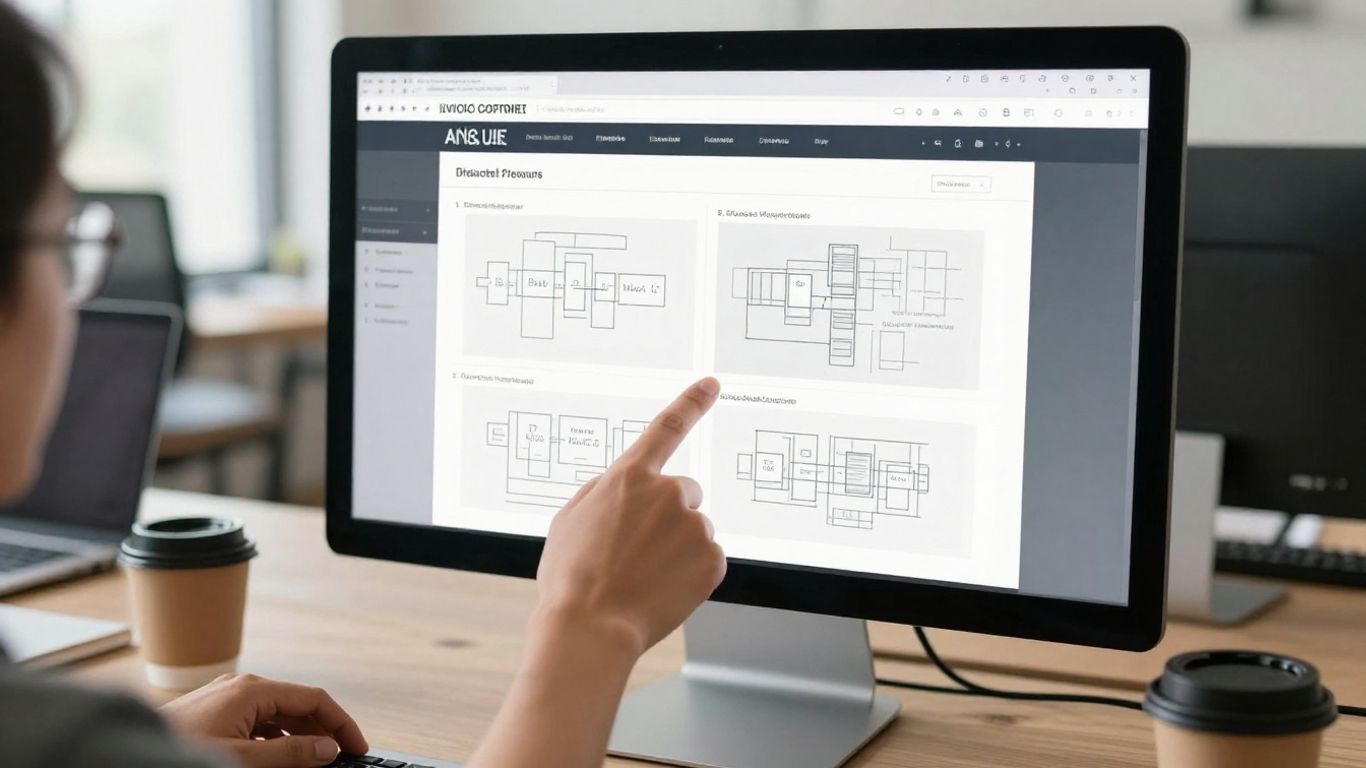
Discovery should establish the audience, business priorities, existing performance, technical constraints, content needs, and measurement plan. Ask what research is conducted, who participates, and what documents or decisions come out of the phase.
A strategy phase is useful when it changes the build in a clear way. If it produces only a general presentation with no agreed priorities, you may be paying for activity rather than direction.
Confirm whether the agency will create wireframes before visual designs and how many page types are covered. Ask how feedback is collected, who consolidates it, and what counts as approval. A single point of contact on your side can prevent contradictory comments and reduce delays.
You should also understand what happens when a design is rejected. Defined revision rounds are reasonable, but the process should still allow genuine clarification when the original brief was incomplete.
Development should include checks for forms, links, responsive layouts, browsers, accessibility, analytics, redirects, permissions, backups, and integrations. Ask for a staging environment where your team can review the website without affecting the live version.
Before launch, agree on a checklist, a rollback plan, and the people responsible for final approval. After launch, monitor forms and important journeys closely because real traffic can expose issues that controlled testing misses.
Ask how often you will receive updates, where tasks are tracked, and who has authority to make day-to-day decisions. A short weekly update can be enough if it clearly covers completed work, current risks, upcoming decisions, and items waiting on you.
Milestones should be tied to tangible outputs such as an approved sitemap, signed-off designs, a tested staging site, or a completed launch review. This makes progress easier to assess than vague percentages.
A low initial quote may omit content, integrations, testing, or post-launch support. A higher quote may include strategic work that another agency expects you to handle. Compare proposals line by line and ask for the assumptions behind every major cost.
The contract should make the relationship predictable without making reasonable collaboration difficult. Clear terms protect both sides when scope, timing, or responsibilities change.
Agencies may price by project, phase, day, hour, retainer, or a combination of these models. Project pricing can be easier to budget, while time-based work may suit evolving requirements. Retainers are more relevant when ongoing content, improvements, or support are expected.
Ask what happens when the brief changes and whether unused hours expire. Also separate one-time build costs from recurring hosting, software, licensing, maintenance, and support charges.
A useful proposal describes page quantities, templates, content responsibilities, platform choices, integrations, analytics, SEO foundations, testing, training, launch, and support. It should also identify assumptions such as the number of products, languages, forms, or approval rounds.
Read exclusions carefully. Photography, copywriting, migration, accessibility remediation, third-party fees, and complex data imports can materially affect the final cost if they are not addressed at the start.
Payment stages should correspond to meaningful progress rather than dates alone. Check the deposit, milestone payments, final payment, late-payment terms, estimated duration, and conditions that may move the launch date. Your own availability for content and approvals should be included in the schedule.
Revision limits are not automatically a problem. They become difficult when the agency has not defined what a revision is, what happens after the allowance is used, or how corrections to an agreed brief are treated.
Ownership questions should be answered before work begins. Confirm who owns the domain, design files, written content, photography, code, database, analytics accounts, advertising accounts, and licences after payment. Make sure your team receives appropriate administrator access and a practical handover.
Also ask whether the agency relies on proprietary components or third-party subscriptions. Clear ownership terms matter because they affect your ability to appoint another provider, make future changes, or recover access if the relationship ends.
A website should be built with measurement and maintenance in mind. Search visibility, speed, accessibility, security, conversion tracking, and content updates are connected parts of the operating plan. Discuss them before launch so they are not treated as unexpected extras.
Growth does not always mean adding more pages or features. Often it means improving the journeys that already attract the right visitors and removing friction from the steps that matter most.
Ask how the website will support search intent, useful service pages, local relevance, internal linking, metadata, redirects, structured information, and ongoing content decisions. Avoid promises of guaranteed rankings; search performance depends on competition, demand, technical quality, content, and continuing work.
For local businesses, consistent business information, helpful location context, reviews, and a usable contact journey matter alongside the website itself. Search work should be connected to enquiries and sales conversations rather than judged only by traffic volume.
Performance work includes image handling, code, hosting, caching, scripts, and page structure. Accessibility includes readable content, keyboard use, contrast, labels, focus states, and sensible alternatives for non-text content. Security requires appropriate permissions, updates, backups, monitoring, and careful handling of forms and customer data.
Ask which checks will be completed before launch and how issues will be prioritized afterward. These foundations improve the experience for visitors while reducing avoidable operational problems.
Define the events that matter before analytics is configured. Depending on the business, that might include completed forms, calls, bookings, registrations, purchases, downloads, or qualified enquiries. Make sure tracking distinguishes meaningful actions from low-value interactions.
A monthly report should explain what happened, why it may have happened, and what action is recommended next. Transparent access to dashboards is useful, but interpretation is what turns data into decisions.
Agree on who will update content, review forms, manage technical changes, monitor performance, and respond to issues. Establish a realistic improvement cycle, whether that means quarterly reviews, ongoing support hours, or occasional project phases.
Keep a short backlog of evidence-based improvements rather than committing to every new idea immediately. For example, review search queries, conversion paths, customer questions, and support issues before deciding which page or feature deserves investment next.
The right website agency Singapore businesses can trust will make goals, trade-offs, costs, ownership, and measurement clear before development begins. Compare the whole working relationship—not just the design samples—and choose a partner whose process can support both a sensible launch and the steady improvements that follow.
Costs vary with the number of page types, content needs, platform, integrations, e-commerce requirements, and ongoing support. Request an itemized proposal so one quote can be compared fairly with another.
A small brochure website may take less time than a site requiring extensive content, integrations, migration, or e-commerce configuration. The agency should provide a milestone schedule and identify dependencies that could affect the launch.
A local agency may make meetings, market context, and time-zone coordination easier, but location alone does not establish quality. Review its process, relevant experience, communication, and ability to support the website after launch.
It should cover objectives, scope, page types, platform, content responsibilities, integrations, testing, timeline, milestones, pricing, exclusions, revisions, support, and ownership. Ambiguity in any of these areas can create later disagreements.
Search requirements are best considered during planning because structure, content, redirects, performance, and tracking affect future visibility. Ongoing SEO may also be needed depending on competition and business goals.
Look for clear communication, relevant case studies, transparent terms, credible references, a defined process, and realistic explanations of risks. Reliability is usually visible in how the agency handles details and limitations.
The post-launch plan should include monitoring, backups, security updates, analytics checks, content maintenance, support contacts, and a process for prioritizing improvements. Review performance against agreed objectives rather than treating launch as the final milestone.
Singapore SMEs & clinics
Talk to Adrian, the founder. Tell us your goals and budget. We will tell you straight what we would do first, and what we would not spend money on. See a real result: 2.8× more enquiries for a Singapore clinic →


