

Key Takeaways A successful clinic opening depends on more than a polished launch day. It requires a clear position, credible patient education, compliant systems, and a way to learn from every enquiry. Define one priority audience and a focused treatment starting point. Build trust with accurate information, realistic expectations, and visible credentials. Make local discovery […]
A successful clinic opening depends on more than a polished launch day. It requires a clear position, credible patient education, compliant systems, and a way to learn from every enquiry.
New aesthetic clinic launch marketing works best when it starts with decisions rather than content. Before choosing channels or writing ads, decide who the clinic is for, what it will be known for, and what a successful first 90 days should look like. A narrow, credible position is usually easier to communicate than a long menu of loosely connected treatments. This foundation also keeps later campaigns focused.
Start with the people you can serve particularly well, whether that means first-time aesthetic patients, professionals seeking discreet appointments, or patients interested in a specific skin concern. Consider age, location, motivations, likely objections, and how urgently they need help. Then select a small group of treatments that fits your clinical expertise, equipment, staffing, and available appointment capacity.
A treatment focus does not have to limit the clinic forever. It gives the opening campaign a clear centre of gravity. You can expand the menu after you understand which enquiries are suitable, profitable, and operationally manageable.
A value proposition should explain why a suitable patient should choose this clinic without promising a particular result. It might centre on practitioner experience, a calm consultation process, evening availability, a specific clinical focus, or a location that makes appointments convenient. The strongest version is concrete enough to recognise and modest enough to substantiate.
Write one short internal statement covering the audience, the problem or concern, the clinic’s approach, and the reason to believe it. That statement can guide website copy, paid advertising, reception scripts, and social content. Clarity beats cleverness when patients are deciding whether to trust a new provider.
Set separate targets for awareness, enquiries, consultations, booked treatments, and revenue. A launch may generate plenty of clicks but still underperform if the enquiries are poorly matched or the booking process is slow. Establish a working budget by channel, then reserve some room for testing rather than committing every dollar before performance data exists.
Useful early measures include qualified leads, consultation attendance, booking rate, cost per consultation, treatment revenue, and response time. Agree on how each number will be defined before launch so that marketing and front-desk teams are not working from different versions of success.
Sketch the path from an initial search or social post to a completed appointment. Include the questions a patient may ask at each stage: Is this treatment suitable? Who performs it? What does recovery involve? How much time will I need? What happens if I am unsure?
The journey often includes several small decisions rather than one dramatic conversion. A patient-centric marketing approach can help connect social media, email, the website, and the in-clinic experience so the message remains consistent. Mark every handoff, including calls, forms, direct messages, and booking confirmations, because each can create avoidable friction.
A new clinic has to look welcoming while communicating the seriousness of clinical care. Brand design, treatment information, consent processes, and staff training should be developed together rather than in isolated projects. Patients will judge the clinic before speaking with anyone, often through a few seconds of website or social content. A consistent foundation makes those first impressions more reassuring.

Choose colours, photography, typography, and language that feel appropriate to the treatments and patient audience. Avoid making every image look impossibly perfect; a calm consultation room, attentive practitioner, or clear preparation detail can communicate more trust than an exaggerated transformation. The writing should be warm and direct, without pressure or certainty about individual outcomes.
Create a short voice guide for captions, ads, emails, and reception messages. It should cover preferred terms, words to avoid, how to discuss results, and how to respond when a treatment is not appropriate. That consistency helps a small team sound like one clinic.
Each treatment page should answer the basic questions a prospective patient is likely to have: what the procedure involves, who may be suitable, what preparation is needed, possible risks, recovery, aftercare, and when to seek advice. Explain that an assessment is needed where suitability depends on medical history or individual anatomy.
Use plain language, identify the practitioner or clinical team, and keep pricing information accurate and clear where it is published. Avoid implying that one treatment is right for everyone or that a result is guaranteed. Educational content marketing for aesthetic clinics can provide a useful framework for planning treatment pages and supporting articles without turning them into sales scripts.
Before campaigns go live, decide how enquiries will be collected, stored, accessed, and deleted. Review consent wording for email and SMS, explain how personal information will be used, and ensure staff know how to handle sensitive questions. Advertising and clinical claims should be reviewed by the appropriate responsible person before publication.
Keep an approval record for ad copy, landing pages, images, testimonials, and offers. The exact rules vary by location and treatment, so obtain relevant professional or legal advice rather than relying on a generic online template. Compliance is not just a launch task; set a regular review date as services and platforms change.
A new clinic may not have a large review history, so use other legitimate signals while the practice builds one. Introduce the practitioners, explain qualifications accurately, show the environment, and describe the consultation process. Partnerships with reputable local organisations can extend awareness, provided the relationship and any promotional terms are transparent.
Invite feedback from genuine patients through an appropriate process and never pressure people to provide a particular rating or wording. A small number of authentic, specific reviews is more useful than vague praise. Make sure all published testimonials and imagery have the required permission and do not create unrealistic expectations.
Your website should help a nearby patient understand the clinic and take the next sensible step. It is not merely a digital brochure; it is where search intent, clinical information, trust, and booking functionality meet. Build the core pages before opening, then improve them as real questions and search data reveal what visitors need. Keep the experience fast, readable, and easy to use on a phone.
Use a simple hierarchy with a home page, treatment pages, concern-led education, practitioner profiles, about and contact information, and a location page. A treatment page serves someone who already knows what they want, while a concern page can help someone who is still comparing options. Link related pages carefully so visitors can move from education to consultation without being pushed prematurely.
If the clinic serves more than one area, create location content only where there is a genuine service presence. Do not produce near-identical pages filled with neighbourhood names. Clear navigation and useful information will do more for patients than a large number of thin pages.
Claim the profile, verify the address when eligible, select accurate categories, add opening information, and upload appropriate images of the premises and team. Confirm that the name, address, and phone number match the website and other important listings. If the clinic is not yet open, follow the platform’s rules for service-area and opening-date information rather than creating misleading signals.
Prepare a process for answering questions and responding to reviews once the profile is active. Keep replies courteous and privacy-conscious; do not confirm a person’s treatment or medical details in public. Local visibility grows through accurate information and a reliable patient experience, not by forcing keywords into every field.
Build keyword themes around the clinic’s actual services, location, and patient questions. Examples might include a treatment plus suburb, consultation terms, or questions about downtime and suitability. Ads and organic pages should match the language people use while remaining faithful to what the clinic can provide.
Review every claim against clinical evidence, professional guidance, and the clinic’s own documentation. Avoid superlatives, guaranteed outcomes, misleading urgency, and before-and-after presentation that lacks context. A broader guide to medical aesthetics marketing strategies can help with channel planning, but local copy still needs to be checked for the clinic’s own scope and obligations.
Offer a clear choice of contact methods: online booking, telephone, and a concise enquiry form. Ask only for information needed to respond, make appointment availability understandable, and explain what happens after submission. Test confirmations, missed-call handling, calendar notifications, and mobile forms before spending on traffic.
Install analytics and conversion tracking with appropriate privacy controls. Record meaningful events such as a completed form, phone click, booking start, and booking completion, not just page views. Check colour contrast, keyboard navigation, labels, image alternatives, readable type, and plain-language instructions so more people can use the site comfortably.
Content should answer real patient questions before asking for a booking. For a new clinic, this is a practical way to demonstrate thoughtfulness and clinical care while building a searchable library over time. The aim is not to publish every day; it is to publish useful material consistently and connect each piece to a sensible next step. Good content can also reduce repetitive questions for the front desk.
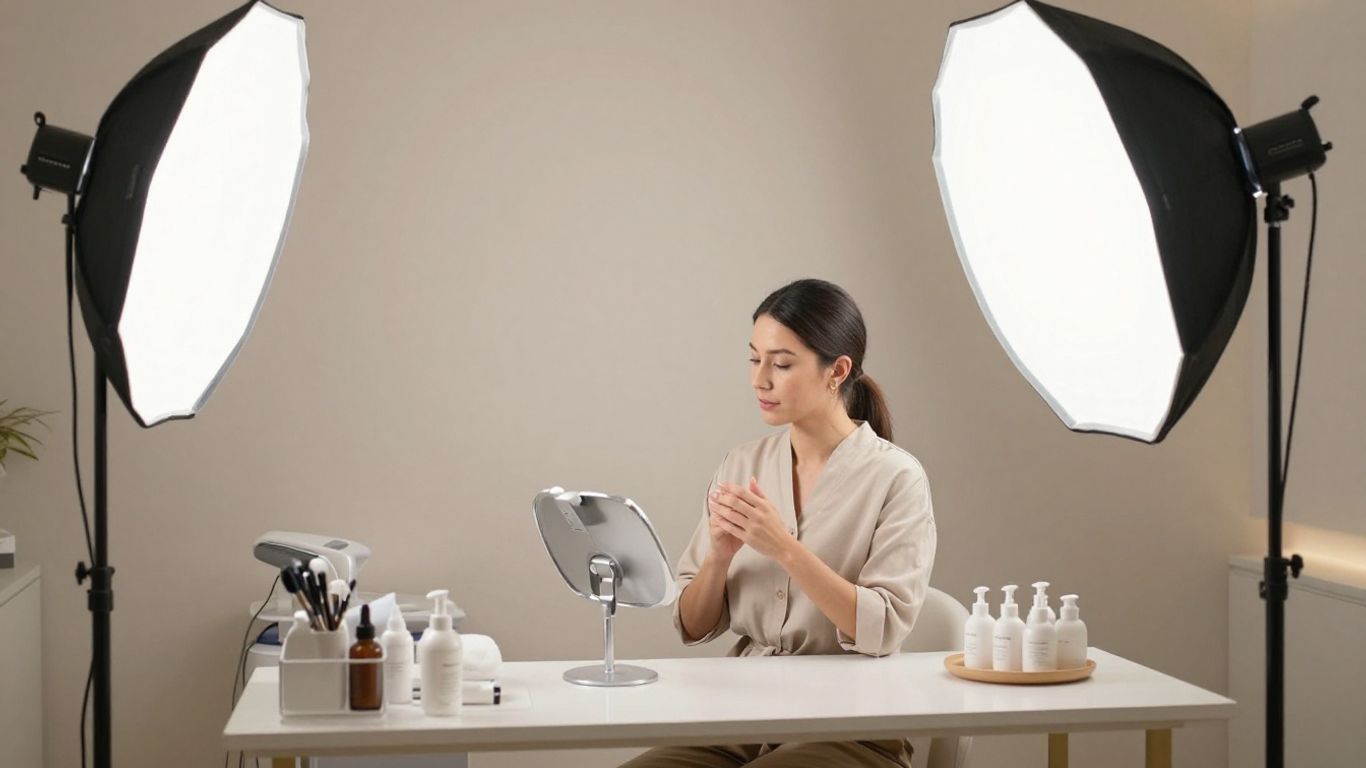
Plan content around the questions patients ask before, during, and after a consultation. Start several weeks before opening with introductions, the clinic environment, practitioner education, treatment explainers, and practical appointment information. Give each item a purpose, audience, format, owner, review date, and call to action.
A balanced calendar might include one deeper educational article, several short social posts, a practitioner video, an email update, and an opening reminder each month. Leave space for timely questions and avoid filling gaps with rushed promotional claims. The calendar should support the launch plan, not become a second full-time job.
A useful explainer describes what happens in a consultation and procedure without pretending to diagnose someone online. Cover likely discomfort, preparation, recovery, possible adverse effects, aftercare, and circumstances that require professional advice. When a treatment is not suitable for everyone, say so plainly and explain that an assessment is the appropriate next step.
Use diagrams or carefully selected photographs only when they clarify the process and have been approved for publication. Keep medical information current, cite reputable sources where appropriate, and have clinical staff review it. Educational detail often builds more confidence than a string of broad promises.
Short videos work well for introductions, clinic tours, frequently asked questions, and explanations of how consultations are conducted. The practitioner should speak naturally and avoid diagnosing viewers or implying that a result is guaranteed. Captions, clear audio, and a short written summary make the content easier to follow and reuse.
Social media can show the human side of the clinic, but it still needs the same care as the website. Moderate comments, protect patient privacy, and avoid sharing identifiable details without proper consent. A calm answer to a difficult question can be more persuasive than a heavily produced clip.
Collect questions from calls, consultation notes, direct messages, and search queries. Group them by concern, treatment stage, and level of intent, then answer each at the right depth. One carefully reviewed answer can become a website FAQ, a short video script, an email paragraph, and several social posts without sounding repetitive.
Keep a source document so that wording stays consistent across formats. Link educational content to the relevant treatment or consultation page, but do not make every piece a hard sell. This approach creates a more coherent experience for people who encounter the clinic through different channels.
Awareness activity should begin early enough for potential patients to recognise the clinic before appointments become available. The prelaunch period is useful for collecting questions, testing messages, and building a permission-based audience. Opening activity then gives that audience a clear reason to act without turning clinical care into a price contest. Coordinate all announcements so dates, availability, and terms remain accurate.
Offer a simple waitlist for opening news, appointment availability, or an educational launch update. State what subscribers will receive, how often, and how they can unsubscribe. Use separate, understandable consent where marketing rules require it, and keep records of when and how permission was obtained.
Segment the list where possible. Someone requesting an opening date may need a different message from someone asking about a particular treatment. Send a useful update before the booking invitation so the relationship does not begin with pressure.
Consider introductions with complementary local businesses, community groups, professional networks, or nearby employers. A small educational event or clinic open house can make the team and environment more familiar, especially for patients who are nervous about their first appointment. Agree in writing on responsibilities, data handling, costs, and any referral terms.
Do not exchange patient information casually or imply that a partner endorses a clinical outcome. Measure partnerships by relevant enquiries and suitable consultations rather than attendance alone. A quiet, well-run event can be more valuable than a crowded event that attracts people outside the clinic’s focus.
If you use an opening offer, make it straightforward and time-bound. It could include a consultation benefit, an educational event, or a clearly described package that does not pressure someone into treatment. Publish eligibility, availability, exclusions, expiry dates, and any important terms.
Avoid framing a clinical decision around scarcity or a dramatic discount. The offer should support the clinic’s position and attract suitable patients, not teach the audience to wait for lower prices. Track whether it generates attended consultations and appropriate bookings, not just clicks.
Organic content builds familiarity, while paid campaigns can put a clear message in front of people searching or browsing locally. Start with a limited number of audiences and messages that match the clinic’s actual capacity. Use separate landing pages or tracking conventions so you can tell which campaign produced each enquiry.
Paid advertising requires careful review of targeting, wording, images, exclusions, and destination pages. Test one meaningful variable at a time and allow enough data for a fair comparison. A patient-focused omnichannel marketing guide offers useful ideas for continuity between social, email, and in-clinic touchpoints, but the launch team should still apply local compliance checks.
Interest is not the same as intent, and a busy launch can expose weaknesses that were invisible during planning. Patients may need reassurance, a quick answer, or help choosing the correct appointment type. Treat every interaction as part of the clinical brand. The goal is to make the next step clear while preserving the patient’s freedom to decide.
A landing page should continue the promise and language of the ad or social post that brought the visitor there. State who the page is for, what the consultation involves, where the clinic is located, and what action the visitor can take. Include relevant practitioner information, realistic expectations, privacy information, and a concise answer to common objections.
Do not send every campaign to the home page if a more specific destination would be clearer. Compare landing pages by qualified enquiry and booking behaviour, not by conversion rate alone. A high rate from unsuitable leads may indicate that the page is too broad or too persuasive.
Review every field in the enquiry form and remove anything that is not needed for the first response. Give people a realistic expectation for when they will hear back, and provide a fallback phone number if a booking tool fails. On mobile, make the primary action easy to find and ensure the page does not jump or reload unexpectedly.
Test the process as a new patient, including cancellation information, confirmation emails, calendar invites, and directions. Track where visitors abandon the journey. Small improvements, such as clearer appointment types or fewer fields, can matter more than a new creative concept.
Create short response guides for common questions about suitability, preparation, recovery, pricing, and appointment length. Staff should know what they can answer, when a practitioner must be involved, and how to avoid giving an individual medical opinion outside the proper consultation. A warm, accurate response protects trust even when the answer is that an assessment is required.
Set an internal response standard for calls, forms, and messages, then monitor whether it is being met. Record the source and outcome of each enquiry consistently. Speed helps, but accuracy and respectful communication matter just as much.
Some people need time to compare options, discuss treatment with someone else, or understand the process. With appropriate consent, send a small sequence of useful follow-ups: an answer to a common question, practical appointment information, and a clear invitation to contact the clinic. Stop the sequence when someone books, opts out, or asks not to be contacted.
Keep the language helpful rather than insistent. Separate people who requested information from those who began but abandoned a booking, and make sure automated messages do not expose sensitive details. Review replies regularly so the sequence reflects real concerns.
Measurement turns a launch from a one-time promotion into a learning process. Establish a shared view of traffic, enquiries, consultations, bookings, revenue, and patient feedback. Attribution will never be perfect, especially when people see a social post and later search the clinic, but consistent tracking is still far better than relying on memory. Review performance frequently at first, then settle into a sustainable reporting rhythm.
Use consistent source labels across forms, booking software, phone records, and campaign links. Distinguish a raw enquiry from a qualified lead, an attended consultation, and a completed treatment. Revenue should be connected to the relevant service and time period without treating early figures as a guarantee of future performance.
A simple reporting structure keeps the team focused on the whole path rather than the loudest top-line number. Capture the following fields wherever privacy and operational systems permit:
Review the data alongside notes from reception and practitioners. Numbers show where movement stops; staff observations often explain why.
Calculate cost per lead, cost per qualified lead, cost per attended consultation, and return on investment by channel where the data is reliable. Include media spend and relevant production or management costs so comparisons are not misleading. A low-cost lead is not necessarily valuable if few people are suitable or attend.
Compare like with like, allowing for different buying cycles and levels of intent. Search traffic may behave differently from social discovery traffic, and a new account may need testing before a stable benchmark emerges. Report ranges and assumptions rather than presenting a single precise number as certainty.
Ask where patients first heard about the clinic, what made them enquire, and what nearly stopped them booking. Combine this feedback with review themes, call notes, form abandonment, and booking data. Watch for repeated confusion about prices, treatment suitability, directions, response times, or what happens at the first appointment.
Protect confidentiality when analysing comments and never publish private details casually. Respond to public reviews with care, particularly when a person mentions a treatment. Feedback is most useful when it leads to a specific change, such as a clearer page, better training, or a simpler form.
Make changes in a controlled order. First fix tracking and operational issues, then improve the page or message, then adjust audience targeting and budget. Keep a record of what changed, when it changed, and which result you expected so that the team can tell learning from random fluctuation.
A launch does not need every channel to perform equally. Keep the combinations that attract suitable patients and support them with accurate content. Pause activity that produces poor-quality demand, but investigate the full journey before assuming the channel itself is the problem.
A strong new aesthetic clinic launch marketing plan is built around fit, trust, and follow-through. Define the patient you want to serve, explain care honestly, create a friction-free path to consultation, and use early data to make measured improvements. The clinic does not need to sound louder than everyone else; it needs to be clear enough that the right patients feel informed and comfortable taking the next step.
Begin several weeks to a few months before opening, depending on how much time is available to build the website, prepare content, collect compliant waitlist permissions, and test booking systems. The exact timing matters less than having accurate information and a clear opening date.
Promote the treatments that best match the clinic’s expertise, capacity, and intended audience. A focused starting offer is easier to explain and measure than a large menu, and it gives the team time to refine the patient experience.
There is no universal figure. Set a budget based on capacity, local demand, expected patient value, creative and operational costs, and the amount of testing required. Keep enough flexibility to improve campaigns after the first reliable data appears.
Local search, a useful website, organic social media, email, partnerships, and paid campaigns can all contribute. Start with the channels that match how the target audience searches and makes decisions, then compare them using qualified consultations and revenue rather than reach alone.
Introduce practitioners accurately, explain the consultation process, show the clinic environment, publish useful treatment information, and make credentials easy to verify. Genuine reviews can be collected over time, but they should never be replaced with vague or fabricated praise.
Track acquisition source, enquiry quality, response time, consultations booked and attended, treatment bookings, revenue, cancellations, and patient feedback. These measures reveal whether awareness is turning into suitable appointments and where the journey needs attention.
Use accurate, understandable information; avoid guaranteed outcomes and misleading urgency; explain suitability, risks, recovery, and aftercare; and review claims before publication. Consent, privacy, advertising, and professional requirements should be checked for the clinic’s location and services.
Singapore SMEs & clinics
Talk to Adrian, the founder. Tell us your goals and budget. We will tell you straight what we would do first, and what we would not spend money on. See a real result: 2.8× more enquiries for a Singapore clinic →


