

Thinking about running ads on Meta (that’s Facebook and Instagram) in Singapore for 2026? It’s a solid choice, but costs can really add up if you’re not careful. We’re going to break down what you can realistically expect to pay for meta ads cost singapore, looking at everything from industry averages to how to get […]
Thinking about running ads on Meta (that’s Facebook and Instagram) in Singapore for 2026? It’s a solid choice, but costs can really add up if you’re not careful. We’re going to break down what you can realistically expect to pay for meta ads cost singapore, looking at everything from industry averages to how to get the most bang for your buck. It’s not just about throwing money at ads; it’s about spending it smart.
Alright, let’s talk about what you can actually expect to pay for Meta ads here in Singapore. It’s not a simple number, because, well, advertising never is. Think of it like buying fruit at the market – prices change based on what’s in season, how good the quality is, and how many people want it. Meta ads work similarly.
Different businesses see different price tags. If you’re in e-commerce or food and beverage, you’re likely looking at lower costs. This is because these sectors often have broad appeal and can use visually engaging content that people click on easily. For example, food ads often get good engagement, and e-commerce can benefit from ads showing off products.
On the flip side, industries like professional services (think lawyers or accountants) or real estate tend to have higher costs. This is usually down to more targeted audiences and higher competition. When you’re trying to reach a specific group of people, or when many businesses are after the same potential customers, the price goes up. Lead generation for courses or property viewings can also be more expensive because the value of a single lead is much higher.
Here’s a rough idea of what you might see:
So, what makes these numbers jump around? A few things. First off, competition. If everyone is trying to advertise to the same group of people at the same time, especially during busy periods like the year-end holidays, costs naturally climb. Singapore’s market, while vibrant, also has its unique dynamics. For instance, the audience size here is smaller compared to larger countries, which can sometimes mean higher costs if your targeting is too narrow. You’re essentially competing for a smaller pool of ad space.
Then there’s your ad’s quality and relevance. Meta wants to show users ads they’ll actually like. If your ad is engaging, looks good, and leads to a good experience on your website, you’ll likely pay less. It’s a bit like getting a discount for being a good advertiser. The global average CPM can give you a general idea, but remember Singapore often sees higher figures, with an average CPM around $21.50, which is higher than the global trend.
Let’s quickly break down the jargon you’ll hear a lot:
Understanding these benchmarks and metrics is the first step. It helps set realistic expectations and forms the foundation for building a budget that actually works for your business in Singapore’s unique advertising landscape.
So, you’re ready to put some money into Meta Ads for your Singaporean business. That’s great! But how much should you actually spend? It’s not just about picking a number out of thin air. Your budget needs to make sense for your business goals and what you can afford to spend to get a customer. Think about it this way: if a customer is worth, say, $500 to you over time, and you’re okay with spending $50 to get them, then $50 is your target cost per acquisition (CPA). From there, you can figure out how much you need to spend monthly to hit your sales or lead targets at that CPA.
This is where the real strategy comes in. Don’t just throw money at ads and hope for the best. Your budget should directly support what you want to achieve. Are you trying to get more sales, generate leads, or just get people to know your brand exists? Each goal needs a different approach and, likely, a different budget. Understanding your unit economics – how much profit you make on each sale or service – is key. If your profit margins are tight, you can’t afford a super high CPA. Conversely, if you have a high-value product or service, you can likely spend more to acquire a customer.
For small and medium-sized businesses in Singapore, getting started can feel overwhelming. Based on what we’ve seen, here are some general budget ideas:
Remember, these are just starting points. Your actual needs will depend on your industry and competition.
Honestly, you can technically start with as little as $1 a day. But if you’re looking for results that actually mean something for your business – like consistent leads or sales – you’ll want to aim higher. A minimum of $1,000 to $2,000 per month is a more realistic floor. This amount usually provides enough data for Meta’s ad system to figure out who your best customers are and how to reach them efficiently. Spending less than that often leads to campaigns that don’t get enough information to optimize properly, making it hard to see any real return. It’s better to have a few well-funded campaigns than many tiny ones that can’t gather enough data to improve. This is especially true when you’re trying to master Meta Ads in 2026.
Running Meta Ads without a clear plan is like driving without a map. You might end up somewhere, but it’s probably not where you intended to go, and you’ll likely waste a lot of fuel (money) along the way. Make sure your budget aligns with your destination.
Running Meta ads in Singapore can feel like a puzzle, and getting the most bang for your buck means understanding how the system works. It’s not just about setting a budget and hoping for the best; there are specific things you can do to make your ad spend work harder.
Think of the Meta ad auction like a real-time bidding war. When you set up an ad, you’re essentially telling Meta how much you’re willing to pay for a specific action, like a click or an impression. But it’s not just about who bids the highest. Meta also looks at how relevant your ad is to the person seeing it and how well it’s performing overall. Ads that people actually engage with and find useful tend to cost less. This is because Meta wants to show people content they like, so they reward advertisers who provide that. So, a super engaging ad with a great landing page can actually win out over a higher bid from a less relevant ad.
Here’s a quick breakdown of what goes into the auction:
The key takeaway here is that Meta isn’t just selling ad space; it’s selling attention. If your ad is good and relevant, you’ll pay less because you’re helping Meta keep its users happy. This is why creative quality and landing page optimization aren’t just nice-to-haves; they directly reduce your costs.
When it comes to bidding, Meta gives you options: automatic or manual. For most businesses in Singapore, especially those just starting out or looking for efficiency, automatic bidding is usually the way to go. Meta’s algorithm is pretty smart at finding the cheapest ways to get you results within your budget. It’s often called ‘lowest cost’ bidding, and it just tries to get you the most for your money.
Manual bidding, on the other hand, gives you more control. You can set specific bid caps or cost caps. This can be useful if you have a really good handle on your numbers and want to ensure you don’t overspend on any single action. However, it requires a lot more monitoring and can sometimes limit the number of times your ad is shown if your manual bids are too low. For most, starting with automatic bidding is a solid bet.
This is where a lot of advertisers miss the mark. You can have the best targeting and the biggest budget, but if your ad creative is boring or your landing page is a mess, you’re going to waste money. Your ad needs to grab attention and clearly communicate your offer. Think about what would make you stop scrolling. Is it a compelling image? A clear benefit? A strong call to action?
And once someone clicks, they land on your website. If that page is slow to load, confusing, or doesn’t match the ad they just saw, they’ll leave. That’s a wasted click and wasted ad spend. Make sure your landing page is:
Continuously testing different ad visuals, copy, and landing page layouts is how you find what truly connects with your audience and drives results without breaking the bank. It’s an ongoing process, not a one-time setup.
When you’re running Meta Ads in Singapore, it’s not just about the ads themselves. The local market has its own quirks that can really affect what you pay and how well your ads perform. Thinking about these specific factors can save you a lot of money and headaches.
Singapore is a small place, right? That means the pool of people you can target on platforms like Facebook and Instagram isn’t as huge as in bigger countries. We’re talking about roughly 4.5 million Facebook users here. If you get too specific with your targeting – say, looking for people with a very niche interest within a certain age group and location – you’re going to end up competing with a lot of other advertisers for a very small group of people. This limited ad inventory means the cost to show your ad goes up. It’s basic supply and demand. So, while precise targeting sounds good, sometimes being a little broader can actually be more cost-effective in a market this size.
Just like anywhere else, Singapore sees its fair share of seasonal spikes in ad spending. The biggest one is usually in the fourth quarter, leading up to major shopping events like 11.11, Black Friday, and Christmas. Everyone wants a piece of the holiday shopping pie, so ad costs naturally climb. On the flip side, January and February often see a dip. Many businesses pull back their ad spend after the holiday rush, making it a potentially cheaper time to advertise if your product or service isn’t directly tied to holiday sales. Keep an eye on these periods when planning your budget.
What you want your ad campaign to do makes a big difference to your costs. For example, running a campaign just to get people to click through to your website (a traffic campaign) is generally cheaper per click than running one designed to get people to actually buy something or fill out a form (a conversion campaign). However, that doesn’t automatically mean traffic campaigns are better value. Conversion campaigns tell Meta’s algorithm to find people who are more likely to complete your desired action, not just click. So, while the cost per click might be higher, the cost per result (like a sale or a lead) can often be much lower and more profitable. It’s about focusing on the outcome that matters most to your business.
The digital marketing landscape in Singapore is evolving rapidly. Expect more AI integration and a strong focus on data to understand consumer behaviour. E-commerce marketing continues to grow, making data-driven optimisation a must for success. This trend means staying adaptable is key.
Here’s a quick look at how different objectives can stack up:
Understanding these market dynamics helps you set realistic expectations and adjust your strategy to get the most bang for your buck in Singapore. It’s about working with the market, not against it. Remember, Singapore’s digital ad spend is significant, with digital channels taking up a large chunk of the total advertising expenditure.
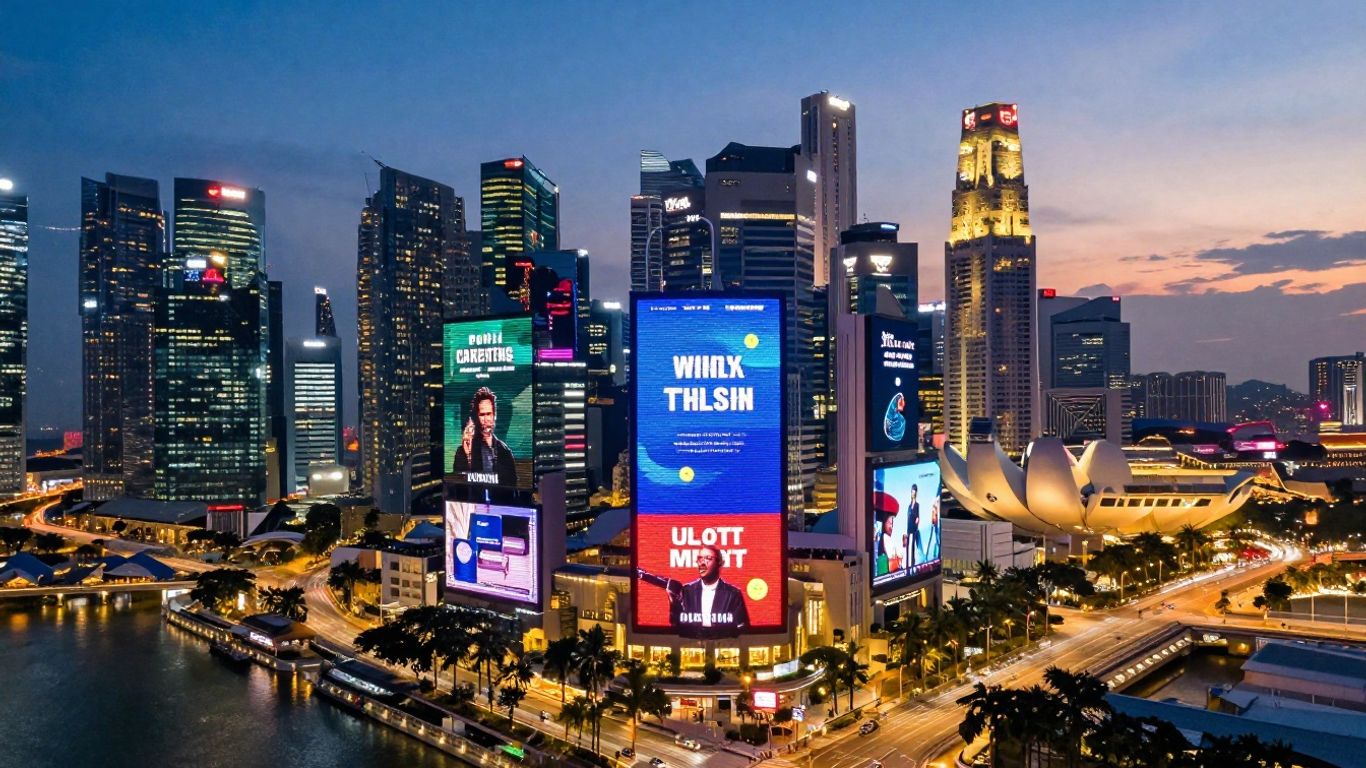
Running Meta ads in Singapore doesn’t have to break the bank. While costs can fluctuate, smart strategies can significantly lower your spend and boost your return. It’s not just about throwing money at the problem; it’s about being clever with your budget and your approach. Let’s look at some ways to get more bang for your buck.
If you’re still relying solely on the Meta Pixel for tracking, you’re probably missing out on a lot of data. The Conversions API (CAPI) sends information directly from your server to Meta’s servers. This means more accurate data about what happens after someone clicks your ad, even if browser settings or cookies block the Pixel. Better data leads to better optimization by Meta’s algorithm, which can directly translate into lower costs. It’s like giving the system a clearer picture, so it knows who to show your ads to for the best results.
It might sound counterintuitive, but broad targeting can often work wonders in 2026. Meta’s algorithms are pretty sophisticated now. Instead of trying to pinpoint every single detail of your ideal customer, start with a wider net. Let the algorithm find the right people within that larger group. Once you have some conversion data, you can then create lookalike audiences based on your best existing customers. This is often more effective and cheaper than hyper-specific targeting, especially in a market like Singapore where audience pools can be smaller. Overly narrow targeting can just drive up competition and costs.
Treating your ad campaigns as an ongoing experiment is key. Don’t just set it and forget it. Aim to run several variations of your ads within each ad set – maybe three to five different creatives or copy combinations. Give each variation enough time and impressions (think 1,000+) to gather meaningful data. Then, be ruthless: cut the ads that aren’t performing well and put more budget behind the ones that are showing promise. This constant refinement process helps you avoid wasting money on ads that just aren’t hitting the mark. For those looking to master these techniques, exploring Meta Blueprint courses can provide structured learning.
Structural issues, like not managing ad frequency or resetting the learning phase too often, can silently inflate your costs. Fixing these common mistakes can often reduce ad spend by 15-30% without changing your core creative or targeting. It’s about optimizing the engine before you try to make it go faster.
Here’s a quick look at how testing can impact your spend:

So, you’ve got a handle on Meta Ads costs in Singapore, but how does it stack up against other places you could be spending your marketing dollars? It’s a good question to ask because not every platform is a perfect fit for every business, and understanding the differences helps you spend smarter.
This is a big one. Generally, you’ll find that Meta Ads (think Facebook and Instagram) tend to have lower cost per click (CPC) in Singapore compared to Google Search Ads. We’re talking maybe $0.30 to $2.50 on Meta versus $1 to $8 on Google. But here’s the catch: Google Search Ads captures people who are actively looking for what you offer. They’ve got intent. Meta Ads, on the other hand, interrupts people while they’re scrolling, so the intent is lower, but you get a much wider reach. Most businesses in Singapore find success by using both – Meta for building awareness and bringing people back (remarketing), and Google for snagging those high-intent searchers. It’s about using each channel for what it does best.
Let’s look at TikTok next. Right now, TikTok advertising costs in Singapore can be lower for awareness campaigns, with CPMs potentially ranging from $3 to $10. However, its tracking and optimisation tools aren’t quite as mature as Meta’s yet. TikTok is fantastic if you’re targeting folks under 35 and have creative, entertaining content. Then there’s LinkedIn. Oh boy, LinkedIn is a different beast. The CPCs there are significantly higher, often $3 to $12, but you’re reaching a very specific B2B audience that’s tough to find elsewhere. For professional services or B2B companies, that higher cost often makes sense because the targeting is so precise. Meta is usually better for sheer volume, while LinkedIn is for precision.
Ultimately, no single channel is the magic bullet. Your ideal marketing mix depends on your specific business, who you’re trying to reach, and what you want them to do. For instance, if you’re an e-commerce store, Meta’s visual platforms might be your bread and butter for driving sales. But if you sell a niche software, LinkedIn might be where you find your most valuable leads. It’s smart to think about the entire customer journey. You might use Meta Ads to get people interested and then use Google Search Ads to capture them when they’re ready to buy. Or perhaps you use TikTok for broad awareness and then retarget those interested users on Facebook. The key is to see how these channels can work together, not just in isolation. For a better understanding of how these platforms can complement each other, you might want to look into social media marketing services.
When comparing ad costs across platforms, remember that the cheapest option isn’t always the best. Consider the quality of the audience, their intent, and the platform’s ability to help you achieve your specific business goals. A higher CPC on Google might be worth it if it leads to more sales than a cheaper click on Meta.
Here’s a quick look at how costs can stack up:
| Channel | Typical CPC (SGD) | Primary Use Case in SG | Notes |
|---|---|---|---|
| Meta Ads | $0.30 – $2.50 | Awareness, Remarketing | Broad reach, good for visual products, lower intent than search. |
| Google Search | $1.00 – $8.00 | High-Intent Leads | Captures active searchers, higher conversion rates, more expensive. |
| TikTok | Lower CPMs | Awareness (Under 35) | Growing platform, less mature tracking, best for engaging content. |
| $3.00 – $12.00 | B2B Targeting | Premium cost for precise professional audience reach. |
Keep in mind these are general ranges, and actual costs can vary a lot based on your industry, targeting, and campaign performance. For a global perspective on search ad expenses, checking out average local cost per click can be insightful.
So, what’s the final word on Meta Ads costs in Singapore for 2026? It’s not a simple number, that’s for sure. We’ve seen that costs really depend on your industry, who you’re trying to reach, and how good your ads actually are. While you can technically start with a small daily amount, aiming for a monthly budget of at least $1,000 to $2,000 is a much better bet for seeing real results. Remember, these benchmarks are just a starting point. The businesses that do well aren’t just spending money; they’re smart about it. They focus on making great ads, making sure their landing pages work well, and really understanding their audience. It’s all about being strategic, testing things out, and not being afraid to adjust. If you put in the effort to get these things right, you’ll likely see better results without breaking the bank. It’s definitely still possible to get good returns, but you’ve got to be smart about it.
The cost of Facebook ads in Singapore can change a lot! It really depends on what you’re selling, who you’re trying to reach, and how good your ads look. Generally, you might pay anywhere from $0.30 to $2.50 for each click, and around $5 to $18 to show your ad to 1,000 people. But remember, these are just averages, and your actual costs could be different.
You can technically start with just a dollar a day, but to see real results, it’s better to aim for at least $1,000 to $2,000 per month. This helps Facebook’s system learn about your ads and find the right people to show them to more effectively.
Your ad costs might increase if people have seen your ads too many times and are tired of them (that’s called ad fatigue). It can also happen if more businesses are trying to advertise to the same people at the same time, especially during busy shopping seasons. Making your ads fresh and interesting can help keep costs down.
For most businesses in Singapore, letting Facebook handle the bids automatically is a great place to start. Facebook is pretty smart at finding the cheapest ways to get you results within your budget. You might want to set bids yourself later if you have a lot of experience and want more control.
They’re different! Facebook ads are good for showing your products to people who might be interested while they’re browsing. Google Ads are better for catching people who are actively searching for what you offer. Many businesses find success by using both Facebook and Google Ads together.
Both are super important! A great ad that leads to a confusing or slow website won’t get you good results. Likewise, a fantastic website with a boring ad won’t get many visitors. Making sure your ad is interesting and the page it sends people to is clear and easy to use will help you get the best results for your money.
Singapore SMEs & clinics
Talk to Adrian, the founder. Tell us your goals and budget. We will tell you straight what we would do first, and what we would not spend money on. See a real result: 2.8× more enquiries for a Singapore clinic →


